Medical Heart Icon: A Designer’s Stitch Review
As a designer who spends half my life staring at digitized files and the other half watching needles punch through fabric, I have learned to be skeptical of "modern" icons. Too often, they look sleek on a screen but turn into a tangled mess under the presser foot. However, when I pulled up the Medical Heart Icon for a recent client project, my initial reaction was one of cautious optimism. This is not just another generic clipart element; it is a piece of vector-based graphic design that promises scalability and clean lines. But does it hold up in the physical world of thread and tension? Let’s break down how this design performs in real embroidery scenarios.
First Impressions and Visual Personality
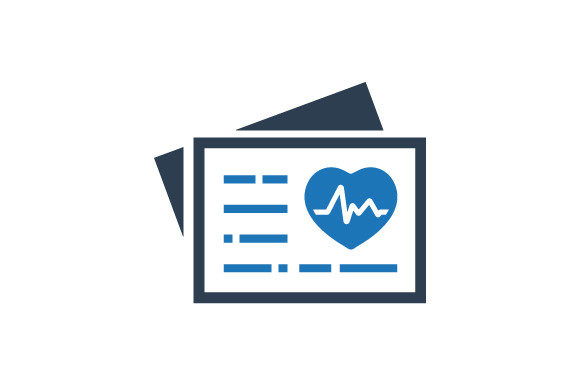
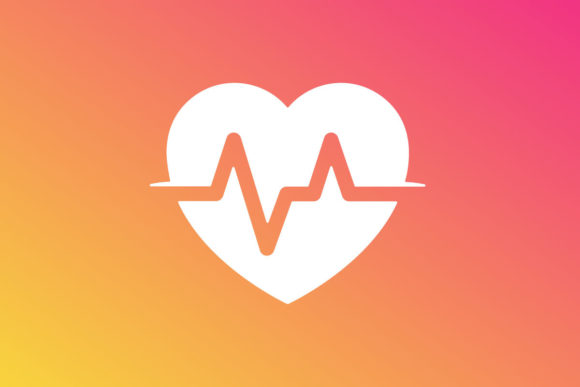
The first thing you notice about the Medical Heart Icon is its balance. It manages to convey a clinical, professional theme without feeling cold or sterile. The shape is recognizable immediately—a heart intertwined with medical symbolism—yet the layout avoids the clutter that plagues so many complex logos. For an embroidery designer, this clarity is crucial. When we translate digital graphics into stitch data, simplicity is our best friend. The eye-catching design relies on bold forms rather than intricate shading, which suggests it will stitch out cleanly even at moderate speeds.
The mood it creates is one of trust and care. This makes it an ideal candidate for projects where emotional connection matters. Whether you are creating personalized gifts for healthcare workers or branding for a small clinic, the visual personality here is warm yet authoritative. It does not scream for attention; instead, it invites a closer look, which is exactly what you want in high-quality handmade products.
Real-World Application: The Tote Bag Test
To truly evaluate any machine embroidery design, you have to imagine it on a specific product. Recently, I was preparing a custom order for a local nursing school graduation gift. The request was for a sturdy canvas tote bag featuring a subtle yet proud display of their profession. This was the perfect testing ground for the Medical Heart Icon.
Because the logo is vector-based and fully editable, I was able to adjust the size to fit a standard 5x7 hoop without losing resolution. This scalability is a massive advantage for crafters and Etsy sellers who need to adapt one asset across multiple product types. On the canvas tote, the design sat comfortably in the center. The lines were crisp, and the spacing between elements allowed the fabric texture to breathe. If this had been a dense fill stitch nightmare, the heavy canvas might have puckered, but the open nature of this icon kept the fabric flat and professional.
Beyond tote bags, consider how this design translates to other items. For sweatshirt embroidery, the icon works well on the left chest area, offering a polished look for custom apparel. On baby clothes, such as a onesie for a nurse’s newborn, the soft curves of the heart make it gentle enough for infant wear, provided you use the right stabilizer. Even as an embroidered patch for caps or aprons, the distinct silhouette holds its shape against curved surfaces and textured fabrics.
Technical Considerations for Stitching
While the design is visually strong, practical execution requires attention to detail. Since the Medical Heart Icon is a modern icon, it likely relies on a combination of satin stitch for outlines and fill stitch for larger areas. When working with this type of graphic, stitch density becomes a critical factor. If the density is too high, you risk needle breaks and thread bunching, especially on stretchy fabrics like jersey knits used in t-shirts. If it is too low, the fabric may show through, ruining the solid appearance of the icon.
I recommend testing the design on scrap fabric first. This is non-negotiable for any serious embroidery project. Check how the thread colors contrast against your chosen material. For instance, white thread on a dark navy scrub top creates a striking, professional look, while pastel threads on light pink baby items offer a softer, more delicate finish. Always inspect small details before committing to the final product. Are the corners sharp? Do the curves flow smoothly? These micro-details determine whether your finished product looks handmade or homemade.
Another key consideration is the hoop size. While the vector nature allows for scaling, ensure that your machine’s maximum hoop size can accommodate the dimensions you need for larger items like pillow covers or blankets. For smaller applications, such as tea towels or holiday embroidery accents, verify that the design remains legible when scaled down. Tiny lettering or intricate corners can get lost if the design is shrunk beyond its optimal range.
Commercial Viability and Brand Consistency
For small business owners and creative entrepreneurs, the value of a design lies in its versatility and professionalism. The Medical Heart Icon fits seamlessly into a brand identity that values cleanliness and care. Using this graphic in your commercial embroidery projects can enhance customer trust. When a buyer sees a crisp, well-executed logo on a boutique product, they perceive higher value. This perception drives buyer engagement and can justify a higher price point for your handmade merchandise.
Moreover, because the design is scalable, it serves as an excellent asset for digital product previews and printable mockups. You can showcase the icon on various items in your Etsy listings without needing to physically produce every variation first. This efficiency saves time and resources, allowing you to focus on production and marketing. However, always confirm licensing terms before selling finished items or digital products. Ensure that the license covers commercial use to protect your craft business from legal issues.
Where to Use Caution
No design is universal. There are situations where the Medical Heart Icon might struggle. Avoid using it on extremely thin or slippery fabrics without adequate stabilization, as the weight of the stitches could distort the material. Be cautious with layered garments where bulk is already an issue; adding a dense icon might make the garment uncomfortable to wear. Additionally, if you are working with highly textured fabrics like terry cloth, ensure the design has enough contrast and boldness to remain visible. Delicate details may get lost in the pile of the fabric.
Also, consider the washing instructions for the end user. Items like kitchen towels and aprons undergo frequent laundering. Ensure your thread choice and stitch technique are durable enough to withstand repeated washing without fraying or fading. A professional finish means thinking about the lifecycle of the product, not just its initial appearance.
Final Verdict
The Medical Heart Icon is a solid addition to any designer’s library of graphics. It bridges the gap between modern aesthetic appeal and practical embroiderability. For those creating personalized gifts, custom apparel, or small shop products, it offers a reliable, professional look that resonates with customers. Just remember to respect the technical limits of your machine and materials. Test thoroughly, choose your stabilizer wisely, and let the clean lines of this design speak for themselves. When executed with care, it transforms simple fabric into a meaningful, high-quality keepsake.