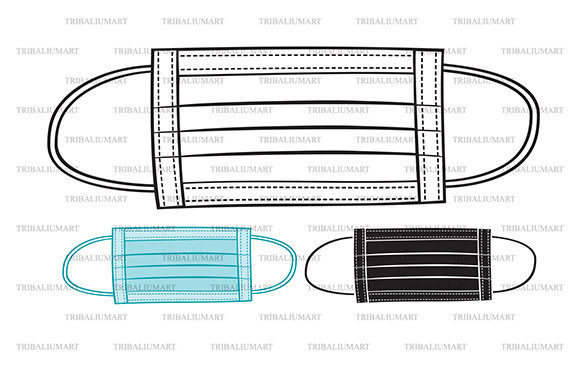
Medical Pipet: Graphics and Illustrations Review
As a brand designer and content marketer, I approach every new graphic design asset with a critical eye. It is not just about whether an image looks nice; it is about whether it serves a strategic purpose in a broader marketing campaign. Recently, I evaluated Medical Pipet, a digital illustration intended for use in health, science, and educational branding contexts. My goal was to determine if this asset could elevate a real-world project for a client launching a new line of laboratory supplies.
The first impression of Medical Pipet is one of clean, functional clarity. In the world of professional branding, especially within the medical and scientific sectors, clutter is the enemy of trust. This illustration avoids unnecessary complexity, offering a streamlined visual that communicates precision. The mood it creates is clinical yet approachable, striking a balance that is often difficult to achieve. For audience perception, this means the design feels reliable and modern, rather than sterile or intimidating. It is suitable for both casual educational content and more formal commercial marketing materials, provided it is paired with the right typography and color palette.
Integrating Medical Pipet into Real Marketing Workflows
To test the versatility of this asset, I imagined a scenario where a small business is refreshing its social media visuals and preparing a content kit for a seasonal product launch. The client needed assets that would work across multiple platforms, from Instagram posts to Pinterest pins. Medical Pipet proved to be a flexible component in this workflow. Because it is available in vector formats like AI, EPS, and SVG, as well as raster formats like JPG and Transparent PNG, it adapts seamlessly to different design requirements.
In terms of brand identity and logo design, this illustration can serve as a foundational element for icons or badges. For packaging design and product labels, the transparent PNG option allows designers to layer the pipet over various background colors without losing quality. This is crucial for maintaining visual consistency across physical products and digital ads. When used in email banners or website headers, the crisp lines ensure that the graphic remains legible even when scaled down for mobile screens.
Enhancing Visual Hierarchy and Audience Trust
One of the primary goals of any content marketing strategy is to establish audience trust through professional appearance. Medical Pipet supports this by providing a clear focal point in editorial design and blog graphics. When placed alongside text, it helps guide the reader’s eye, improving the overall visual hierarchy. This is particularly effective in lead magnets and media kits, where information density can be high. By using a recognizable and well-executed illustration, brands can create an emotional connection with their audience, signaling that they value quality and attention to detail.
For social media managers and digital sellers, this asset can significantly boost engagement. In Facebook ads or digital ads, a strong visual hook is essential. The clean lines of the pipet illustration stand out against busy feeds, making it an excellent choice for hero graphics and campaign headers. It helps in creating memorable campaign visuals that resonate with professionals in the healthcare and education sectors.
Strategic Placement and Design Limitations
While Medical Pipet is a robust design asset, it is important to understand where it works best and where it should be used carefully. It shines in promotional banners, content bundles, and decorative brand elements where it can occupy sufficient space. However, in dense information layouts or text-heavy ads, it may compete with the main message if not properly balanced. Designers should ensure there is adequate white space around the illustration to let it breathe.
Additionally, for overly minimal brands or formal corporate branding that relies strictly on typography, this illustration might feel too decorative. It is also less effective on low-contrast backgrounds unless the color is adjusted. For small mobile graphics, testing readability is essential. While the vector nature allows for scaling, intricate details can get lost at very small sizes. Therefore, it is best suited for medium to large-scale applications such as posters, event flyers, and merchandise.
Practical Brand Designer Notes
Before integrating Medical Pipet into a client’s brand identity, I recommend several practical steps. First, test the asset with the existing brand color palette. Since it is editable, you can recolor the vector to match specific hex codes, ensuring seamless integration. Check its usage in black and white to verify that it maintains its form without relying on color gradients. Place it inside real campaign mockups to see how it interacts with other design elements.
Preview the graphic on mobile screens to ensure it remains impactful. Test its readability in small sizes, such as in a favicon or a small icon set. Compare it against competitor visuals to ensure it offers a unique aesthetic advantage. Pay attention to how it pairs with different font styles. It works well with clean sans serif fonts for a modern look, but can also contrast nicely with serif fonts for a more traditional, authoritative feel. Avoid pairing it with overly ornate script fonts that might clash with its technical nature.
Finally, always review spacing and balance within the layout. Confirm commercial licensing before using it in paid campaigns, client work, or business branding. This step is non-negotiable for professional designers who need to protect their clients from legal issues. The ease of editing and the variety of file formats make this a valuable addition to any design bundle, but proper due diligence ensures long-term success.
In conclusion, Medical Pipet is a versatile and high-quality illustration that supports a wide range of marketing and branding needs. From social media graphics to packaging design, it offers the flexibility and professionalism required in today’s competitive digital marketplace. By understanding its strengths and limitations, brand owners and content creators can leverage this asset to enhance their visual storytelling and build stronger connections with their audience.