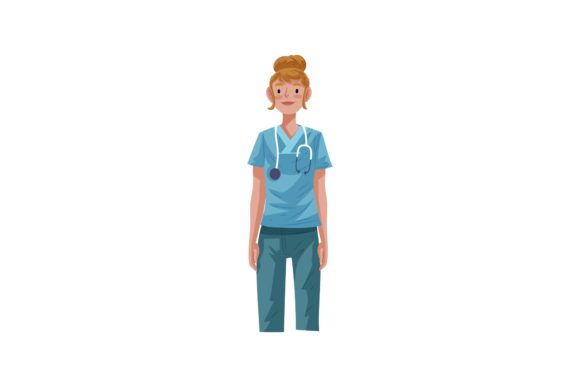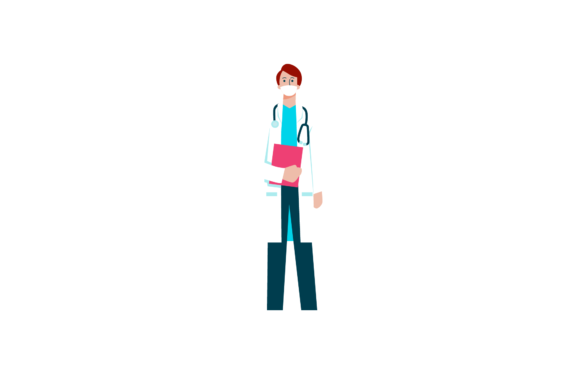
Nurse Arts: Graphics & Illustrations for Blogs
As a digital publisher who has spent years refining the visual identity of content-heavy websites, I approach every new graphic design asset with a critical eye. It is not enough for an image to simply be pretty; it must perform. It needs to hold attention in a crowded feed, communicate value instantly, and integrate seamlessly into a broader editorial strategy. Recently, I evaluated Nurse Arts, a collection that promises to elevate healthcare and wellness content through thoughtful visual storytelling. After testing these files across various publishing workflows, from newsletter headers to Pinterest pins, I have formed a clear perspective on their utility for modern content creators.
First Impressions and Editorial Mood
The immediate impact of Nurse Arts is one of approachable professionalism. In the realm of editorial design, striking the right balance between clinical accuracy and human warmth is challenging. These illustrations manage to bridge that gap effectively. The style feels modern and clean, avoiding the sterile coldness often associated with medical imagery while maintaining a sense of trust and competence. For bloggers in the nursing, healthcare, or wellness niches, this aesthetic is invaluable. It creates a lifestyle-focused yet educational mood that resonates with readers seeking both information and empathy.
When I placed these visuals against typical blog layouts, they enhanced the perceived quality of the content immediately. Reader trust is heavily influenced by visual polish, and Nurse Arts delivers a level of sophistication that suggests the accompanying text is equally well-researched and reliable. This is crucial for affiliate marketers and educators who need to establish authority quickly.
Versatility in Real Publishing Workflows
The true test of any digital product is its flexibility. Nurse Arts shines here because it is not limited to a single use case. During my review, I integrated these assets into several key areas of a content website:
- Blog Featured Images: The compositions work beautifully as hero images, providing a strong focal point without overwhelming the headline text.
- Pinterest Graphics: With vertical adaptations, these illustrations drive clicks by standing out in a sea of generic stock photos.
- Newsletter Banners: They add a cohesive brand touch to email marketing, improving open rates through recognizable visual identity.
- Digital Guides and eBooks: The clarity of the lines makes them ideal for instructional content, worksheets, and lead magnets.
- Social Media Graphics: They serve as engaging backgrounds for quotes or tips on Instagram and Facebook.
For those using tools like Canva, having access to scalable formats means you can create a consistent Canva template library that saves hours of design time. Whether you are building a digital guide for nursing students or creating promotional materials for a healthcare small business, these assets adapt effortlessly.
Technical Specifications and File Formats
From a technical standpoint, the delivery of Nurse Arts is robust. The package includes six distinct format types: AI, EPS, SVG, DXF, JPG, and PNG. Each file is rendered at a canvas size of 1920 px by 1280 px, which is optimal for high-resolution web display and standard print dimensions. The inclusion of vector formats like AI, EPS, and SVG is particularly important for designers who need to scale graphics for large banners or shrink them for icons without losing quality. The raster formats (JPG and PNG) are ready for immediate upload, saving time for non-designers.
The creator guarantees the integrity of the design, ensuring that layers are organized and colors are consistent. This attention to detail reflects the standards expected in a reputable creative marketplace. For web performance, I recommend compressing the JPG or PNG files before uploading to your server to maintain fast load times, which is a critical factor for SEO and user experience.
Strategic Placement and Visual Hierarchy
Understanding where to place these Illustrations is key to maximizing their impact. They work best in areas that require immediate visual engagement, such as website headers, category thumbnails, and content upgrades. By using Nurse Arts consistently across these touchpoints, you strengthen your brand identity and improve category recognition. Readers begin to associate the specific artistic style with your voice and expertise.
However, caution is advised in certain contexts. These designs may not be suitable for very small mobile thumbnails where intricate details could become lost. Additionally, avoid placing them on busy, low-contrast backgrounds that might compete with the illustration’s lines. For corporate or strictly clinical environments that require a minimal, text-heavy visual system, these more artistic Graphics might feel too decorative. Always test the contrast and readability when overlaying text.
Practical Publisher Notes for Implementation
Before finalizing your purchase or deployment, consider these practical steps to ensure Nurse Arts aligns with your specific needs:
- Test Across Devices: Preview the images on both desktop and mobile screens to ensure they remain clear and impactful at different sizes.
- Typography Pairing: Experiment with different font styles. These illustrations pair well with clean sans serif fonts for a modern look, but also complement serif fonts for a more traditional, editorial feel. Avoid overly ornate script fonts that might clash with the detailed artwork.
- Color Adaptation: Try converting the images to black and white or adjusting saturation to see how they fit into monochrome or muted color schemes.
- Licensing Verification: Always confirm the commercial license terms. If you are using these assets for monetized websites, affiliate marketing pages, or paid digital products, ensure the license covers commercial use.
- File Optimization: Use tools to compress image file sizes without sacrificing quality to improve page load speed, which is vital for SEO and reader retention.
In conclusion, Nurse Arts is a valuable addition to any content creator’s toolkit. It offers a blend of aesthetic appeal and functional versatility that supports professional content marketing efforts. By enhancing visual hierarchy and reinforcing brand consistency, these design assets help transform ordinary blog posts into polished, trustworthy resources. For bloggers, educators, and small business owners in the healthcare sector, this collection provides the creative foundation needed to stand out in a competitive digital landscape.